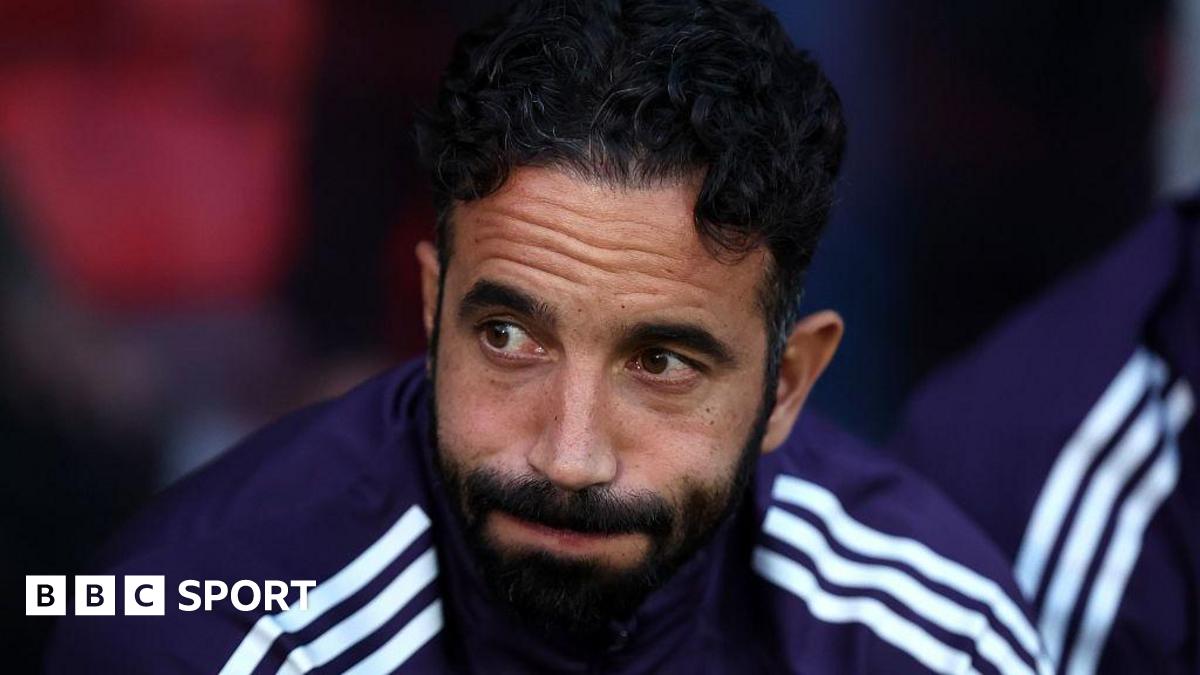
The weight of expectation, the sting of disappointment, the fleeting moments of doubt – these are the unseen adversaries every leader faces. For Rúben Amorim, manager of a club steeped in history and ambition, these challenges are not abstract concepts but daily realities. His recent, raw admissions – the kind that spark debate and invite scrutiny – offer a glimpse into the intense emotional landscape of a modern football manager.
Amorim's journey is not unlike a ship navigating treacherous waters. Each match, each training session, each transfer window presents a new set of currents and obstacles. The pressure to deliver, to meet the lofty standards set by the club's storied past and the fans' unwavering passion, can be immense. And in moments of frustration, the temptation to abandon ship, to seek calmer seas, can be overwhelming. This sentiment echoes through the halls of many clubs, where the line between triumph and tribulation blurs with each passing week.
Consider the complexities of managing a squad, a collection of individuals each with their own aspirations, anxieties, and egos. Amorim's candid statement, “Sometimes I hate my players, sometimes I want to quit,” isn't an indictment of his team but a reflection of the human element inherent in leadership. It's the frustration of seeing potential unrealized, of witnessing mistakes repeated, of struggling to forge a cohesive unit from disparate personalities.
The transfer market, too, presents its own unique set of challenges. The ongoing discussions surrounding players like Rasmus Hojlund and Tyrell Malacia highlight the constant balancing act between strengthening the squad and managing player morale. The potential loan deal for Hojlund, the interest from Elche in Malacia – these are not mere transactions but pivotal moments that can shape the team's trajectory and impact the lives of the individuals involved. Each decision carries weight, each negotiation a potential minefield.
And yet, amidst the storms, there are moments of clarity, of resilience, of renewed purpose. Amorim's willingness to confront his own vulnerabilities, to acknowledge the emotional toll of the job, is a testament to his strength. His words, though perhaps delivered in the heat of the moment, resonate with a truth that transcends the specific context of his club. They speak to the universal experience of leadership, of striving to overcome obstacles, of finding the strength to persevere even when the odds seem insurmountable.