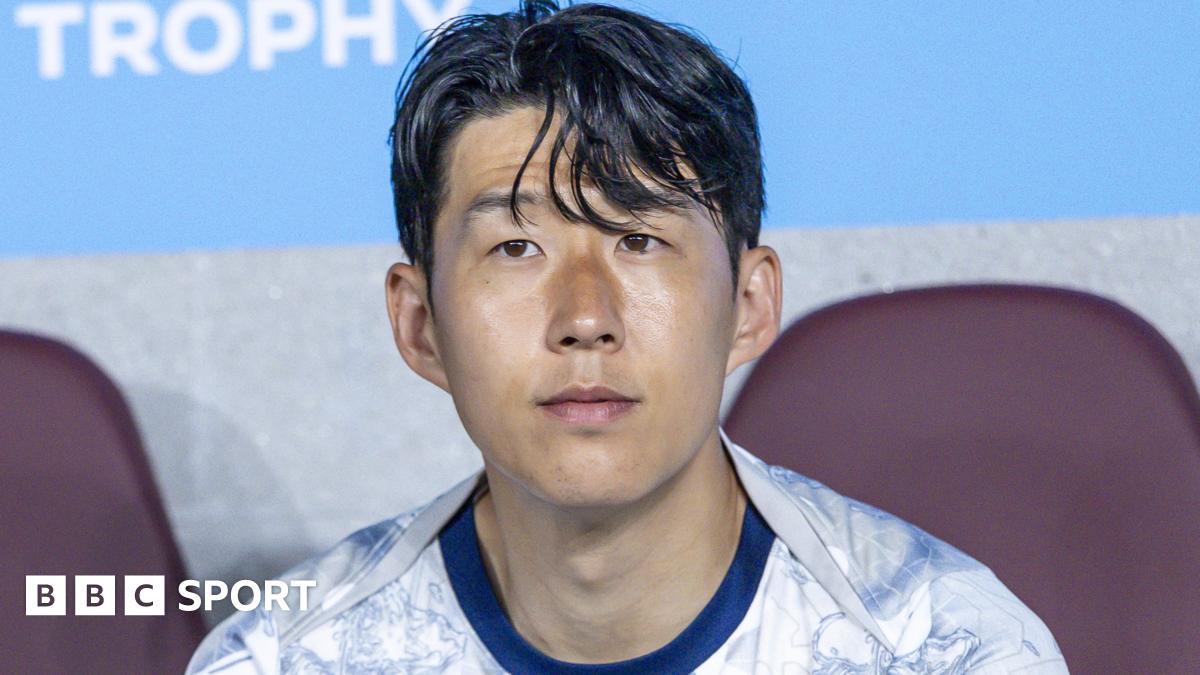
The announcement of Son Heung-min's departure from Tottenham Hotspur at the age of 33 marks the end of an era, but more crucially, it signals a significant strategic inflection point for the club. Son's move to Los Angeles FC after a decade in North London creates both an opportunity and a challenge for Spurs, demanding a reassessment of their competitive positioning and long-term squad development.
Throughout his tenure, Son has been much more than just a goal scorer; he embodied a crucial link between past ambitions and future aspirations. From the perspective of competitive analysis, Son has been a consistent offensive force, hitting 173 goals in 454 appearances. His partnership with Harry Kane, which yielded a record 47 Premier League goal combinations, demonstrated Tottenham's ability to cultivate world-class attacking talent. His individual accolades, including a shared Premier League Golden Boot in 2021-22, elevated Tottenham's profile and contributed significantly to their competitive edge.
However, his exit forces Tottenham to address multiple strategic gaps. First, there's the obvious goal-scoring void. Can Thomas Frank effectively replace a player who consistently delivered double-digit goal tallies? The data suggests that finding a like-for-like replacement is exceptionally difficult and expensive. The transfer market is notoriously inefficient when clubs are forced to buy, and Tottenham's negotiating position will be weakened. Second, Son's leadership, cemented by his captaincy from August 2023, will be missed. Tottenham must identify a new leader who can inspire the team, both on and off the pitch.
Moreover, Son's departure highlights a broader trend in modern football: the increasing allure of leagues like MLS for established stars seeking new environments. Son himself cited the need for a "new environment to push myself," echoing sentiments previously expressed by players such as Zlatan Ibrahimovic and Gareth Bale when they made similar moves. This trend suggests that European clubs must proactively manage player satisfaction and offer compelling reasons for their stars to remain, lest they lose them to burgeoning leagues offering different lifestyle benefits.
From a tactical perspective, this event could mean a significant formation shift. Son's versatility allowed previous managers to employ various systems. His exit forces the new manager, Thomas Frank, to potentially focus on rebuilding, fostering talent from within, or making shrewd acquisitions that fit a new, perhaps more collective, playing style. The emphasis might shift away from individual brilliance towards a more system-dependent approach.
Tottenham's future now hinges on their ability to adapt to this new reality. The club must leverage its scouting network, invest wisely in emerging talent, and cultivate a team culture that transcends individual departures. How successfully Tottenham navigates this transitional period will reveal much about their long-term strategic vision and competitive capabilities.