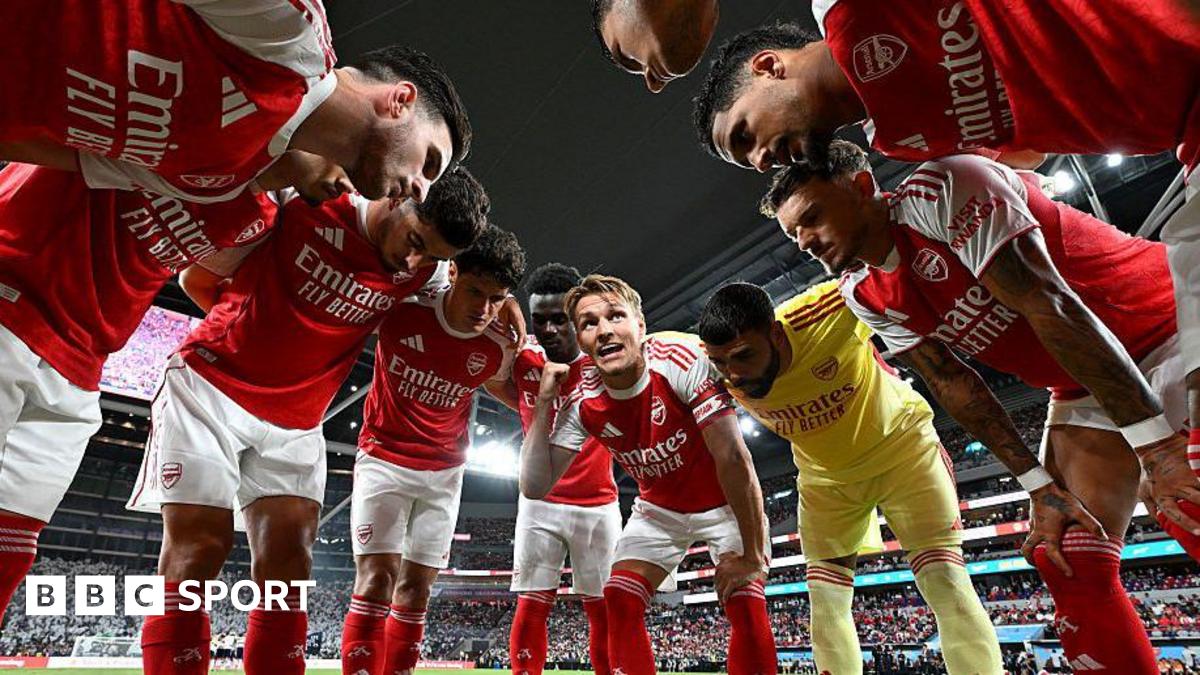
Arsenal's pre-season tour in Singapore and Hong Kong wasn't just about commercial activities and kit launches; it was a concentrated effort to embed tactical shifts and integrate new signings, most notably Viktor Gyokeres. The urgency to get Gyokeres involved, evidenced by his immediate flight to Singapore, speaks volumes about Arsenal's intent to address their goal-scoring concerns head-on. But how does this accelerated integration fit into Arsenal's broader development trajectory?
The article highlights a deliberate strategy to increase the team's physical presence. Signings like Gyokeres, Norgaard, Mosquera, and Zubimendi signal a move towards a more robust and imposing squad. This isn't merely about adding height and muscle; it's about providing a platform for a more direct and physically dominant style of play. We've seen similar transitions in the Premier League before – think of how Jose Mourinho's Chelsea teams used physical dominance to control games. Is Arteta attempting a similar evolution, adapting Arsenal's intricate passing game with added physicality?
The emphasis on a quicker, more direct attacking approach, as observed during the Newcastle friendly, points to a potential evolution of Arsenal's tactical identity. They're aiming to break lines faster, utilize runs in behind, and increase the overall goal threat from multiple positions. The data from last season undoubtedly showed a reliance on Saka for creativity and goals. Now, the acquisition of Madueke and the development of Nwaneri suggest a move away from this dependency. Nwaneri's deployment in a central role during pre-season indicates a clear vision for his future, potentially as a key creative force through the middle. How effectively they can implement this higher-tempo, more direct approach remains to be seen, and depends on the success of their physical acquisitions.
The strategic shift away from a rigid 'tier status' system for players and towards a more flexible squad rotation is crucial considering the demands of a potentially 65-game season. This echoes the strategic thinking of clubs like Manchester City, who have built deep squads to compete on multiple fronts. The logic behind the Madueke signing – ensuring minimal drop-off when Saka is unavailable – illustrates this philosophy perfectly. It's about mitigating risk and ensuring consistent performance levels throughout the campaign.
The emergence of 15-year-old Max Dowman is another fascinating subplot. The club's cautious approach to his development, balancing excitement with the need to protect him from the pressures of elite football, demonstrates a long-term perspective. Giving him opportunities to replace Saka in pre-season suggests a clear plan to integrate him gradually, while simultaneously assessing his readiness for senior football. His penalty win against Newcastle could be a small foreshadowing of big things to come, it is very possible that we will see him playing very soon.
The early transfer activity and the specific profiles of the new signings indicate that Arsenal have identified key areas for improvement and are addressing them proactively. This pre-season tour appears to have been carefully orchestrated to accelerate the integration of these changes and prepare the squad for a demanding season. The competitive landscape of the Premier League demands constant evolution, and Arsenal's pre-season provides strong indications of their intent to adapt and challenge for silverware.