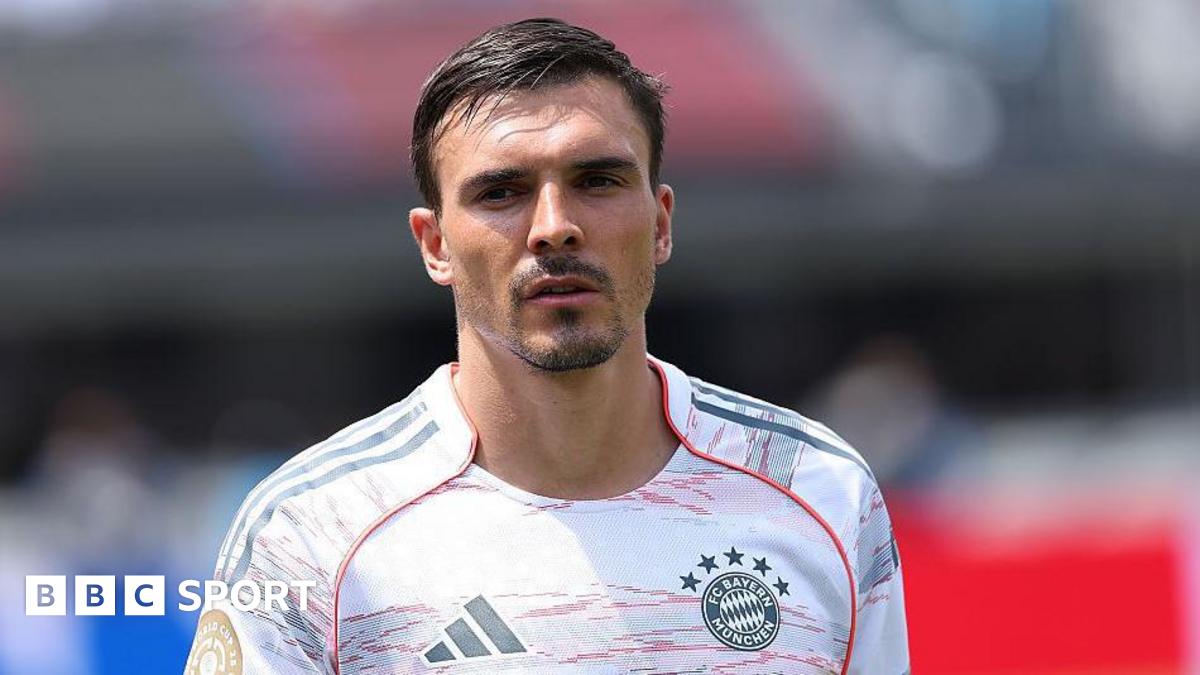
Tottenham's potential loan acquisition of Joao Palhinha from Bayern Munich raises intriguing questions about risk versus reward. While the Portuguese midfielder brings Premier League experience and a combative style, his limited game time in Bavaria and the structure of the loan deal necessitate a careful examination. This move echoes past instances where Premier League clubs have sought to revitalize players struggling abroad, with varying degrees of success. Are Spurs repeating a shrewd maneuver or a potentially costly mistake?
Palhinha’s impressive stint at Fulham, marked by a staggering 27 yellow cards across two seasons, showcased his tenacity and defensive prowess. This physicality translates into tangible stats: a high volume of tackles per game and dominance in aerial duels. However, his move to Bayern hasn't yielded the expected results, with only six Bundesliga starts. This limited playing time inevitably raises concerns about match fitness and overall sharpness. A similar situation occurred when Andriy Shevchenko, a Ballon d'Or winner, joined Chelsea after a prolific spell at AC Milan, but struggled to adapt to the Premier League's physicality and tactical demands, highlighting that pedigree alone doesn’t guarantee success.
The loan structure, with an option to buy, mitigates some of the risk for Tottenham. It allows them to assess Palhinha's integration into Thomas Frank’s system and his ability to regain his Premier League form. However, the agreed permanent transfer fee, while undisclosed, is a crucial factor. Is it reflective of his initial valuation or adjusted to reflect his current situation? The success of this deal hinges on Palhinha rediscovering his Fulham form. Edu Rubio’s analysis points to Palhinha's potential to provide balance to Tottenham’s midfield, a quality reminiscent of N'Golo Kante's impact at Leicester City and Chelsea. Kante's arrival provided a defensive shield that liberated the attacking players, allowing them to flourish. Can Palhinha have a similar effect?
The acquisitions of Mathys Tel and Mohammed Kudus demonstrate Tottenham's ambition and willingness to invest. Adding Palhinha complements these attacking additions by solidifying the midfield. However, the failed pursuit of Morgan Gibbs-White suggests a specific profile was being sought – a more dynamic, box-to-box midfielder. Palhinha's strength lies in his defensive capabilities; his passing range and attacking contributions are less pronounced. This raises the question of tactical fit. Will he seamlessly integrate into Frank’s preferred formation, or will adjustments be needed to maximize his impact?